
When Rest Isn’t Fixing Your Exhaustion You went to bed early. You took the weekend off. You cut back on caffeine, drank more water, and promised yourself a slower week. And yet you still wake up tired, drag through the afternoon, and feel like your battery never fully charges. If rest isn’t fixing your exhaustion, […]

Blog

Depression or Exhaustion? 7 Signs It’s More Than Being Tired
Am I Depressed or Just Exhausted? How to Tell the Difference You wake up tired. You drag yourself through the workday, skip the gym, and cancel plans because you just don’t have it in you. When someone asks how you’re doing, you say, “I’m just exhausted.” And maybe you are. Life is demanding, sleep is […]
Depression Doesn’t Always Look Like Sadness: Isolation, Irritability & Numbness
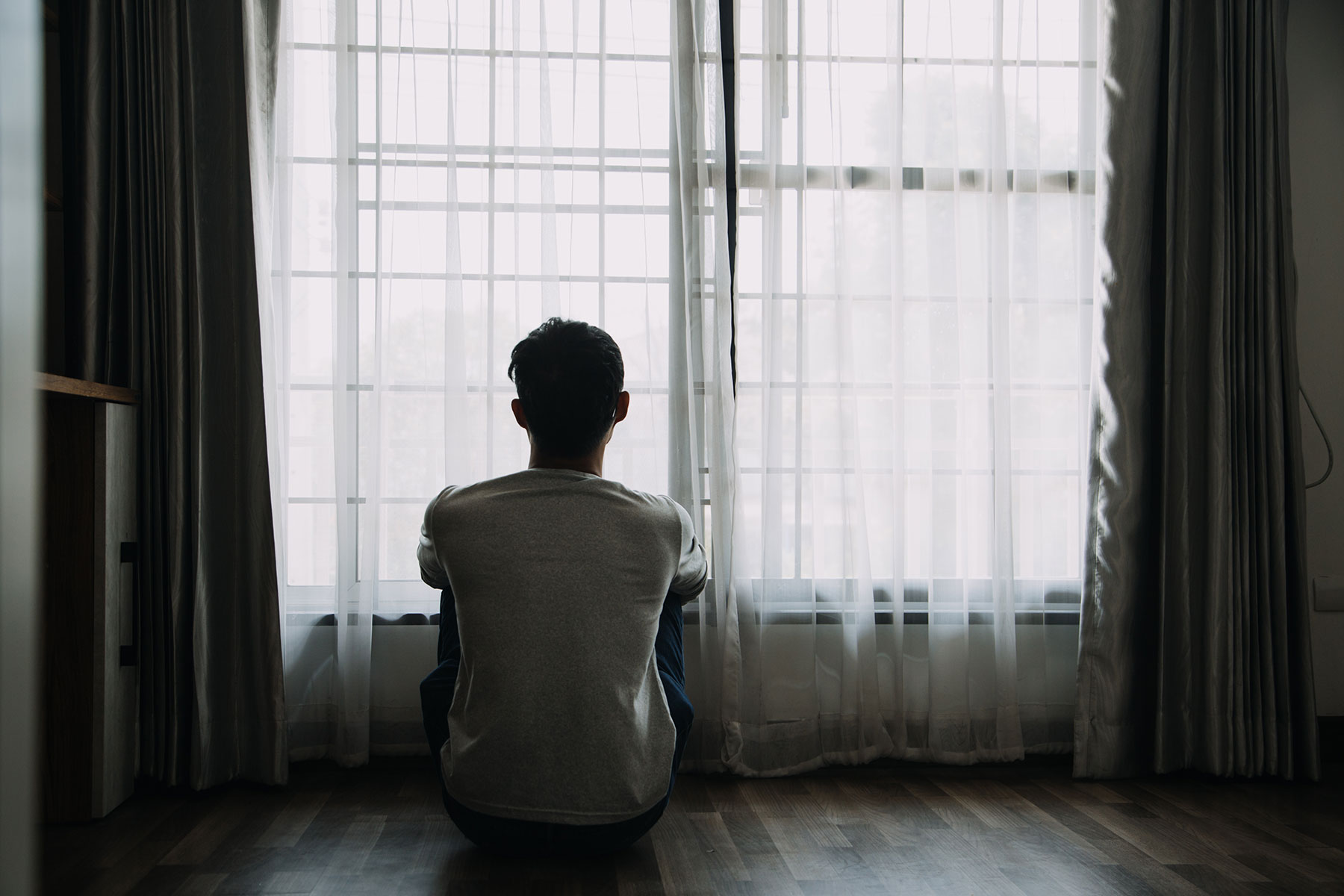
Depression and Isolation: Why You Pull Away When You Need Connection Most One of the cruelest patterns of depression is how it convinces you to withdraw from the very things that might help you feel better. When you’re struggling, connection, support, and being around people who care about you can genuinely ease the weight. And […]
Same Time Every Year: Recognizing a Seasonal Mood Pattern
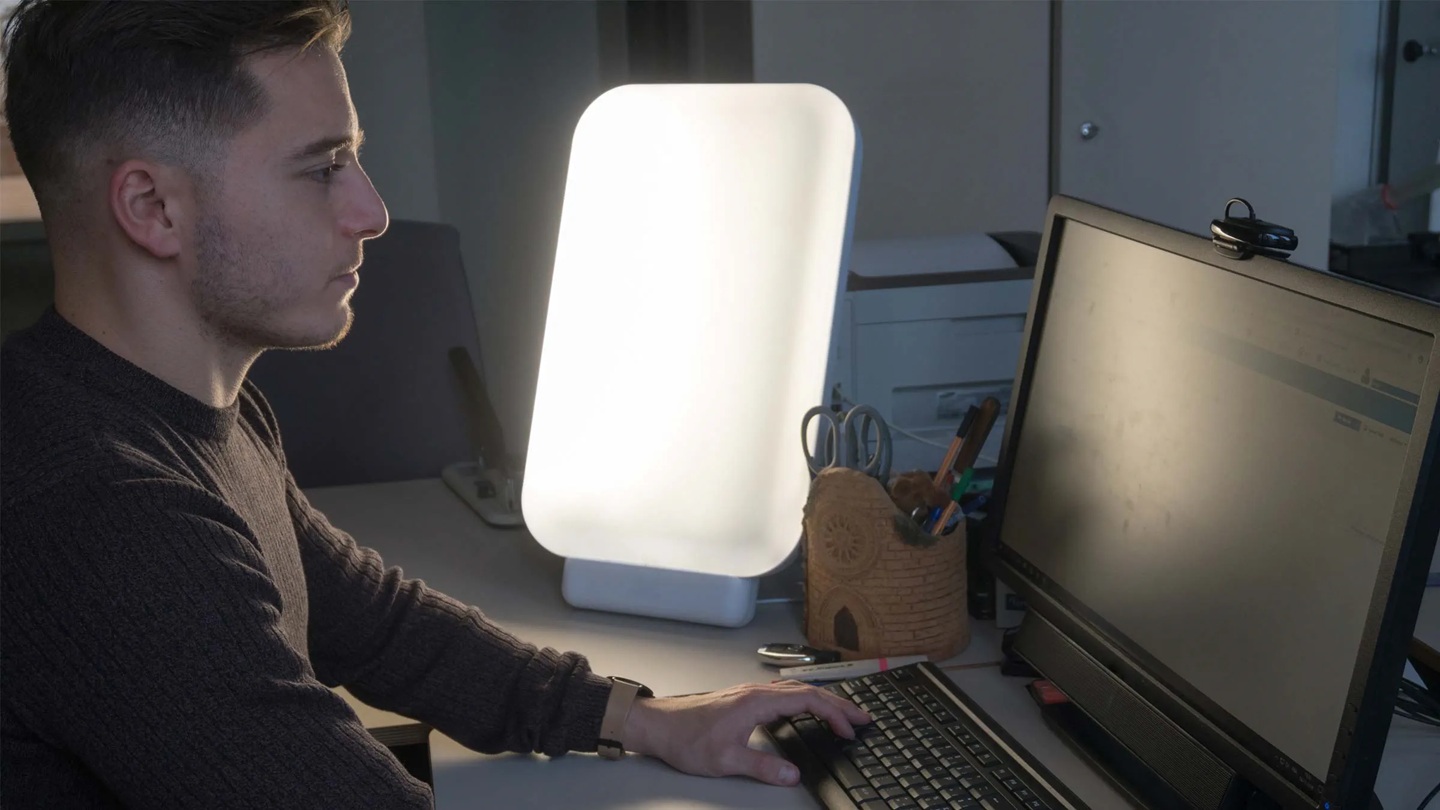
Could Your Changing Mood Be Seasonal? If your mood seems to shift noticeably with the seasons, feeling steady and upbeat in the summer, then gradually flatter and heavier as fall and winter arrive, you might be noticing a pattern worth paying closer attention to. Seasonal mood changes are more common than many people realize, and […]

Just Tired, or Something Else? Understanding Persistent Fatigue
When Low Energy Becomes Something More Everyone has low-energy days. But what happens when “I’m just tired” becomes a daily reality that doesn’t improve with rest? For many people, persistent fatigue is one of the earliest and most overlooked signs that something more than ordinary tiredness is going on. Why Fatigue Is So Easy […]

Is It the Fall Blues or Something More? A Guide to Seasonal Mood Changes
Fall Blues vs. Seasonal Depression As the days get shorter and the temperature drops, it’s common to feel a little less energetic, a little less like yourself. But how do you know if what you’re feeling is a normal response to the season, or something that needs more attention? Understanding the difference between the “fall […]

High-Functioning Anxiety: When You Look Fine but Feel Overwhelmed
High-Functioning Anxiety: When You Look Fine but Feel Overwhelmed From the outside, everything looks like it’s working. You show up on time. You meet your deadlines. You’re the reliable one, the one people count on, the one who seems to have it together even when life gets busy. But underneath that composed exterior, there might […]
Why Every Symptom Feels Like Something’s Wrong: Understanding Health Anxiety
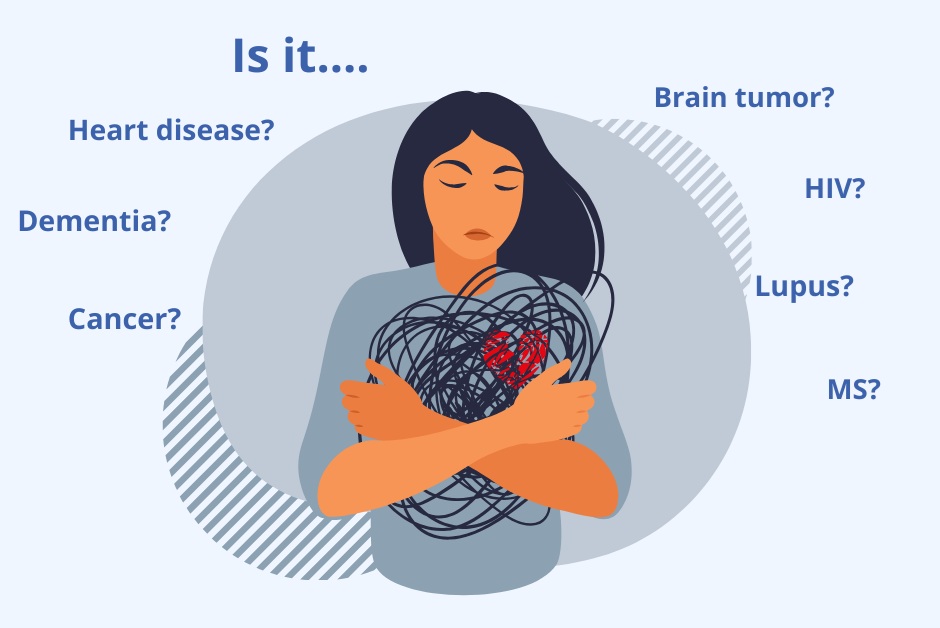
Health Anxiety and Finding Relief: Understanding Your Nervous System and Knowing When to Seek Support If you’ve ever felt a strange sensation in your body and immediately jumped to the worst possible explanation, checked a symptom online only to spiral through a list of alarming possibilities, or found yourself unable to relax until a doctor […]

Stuck in Your Head? How Anxiety and Overthinking Feed Each Other
Why Can’t I Stop Overthinking? Understanding the Anxiety–Rumination Cycle If your mind feels like it’s constantly replaying conversations, rehearsing worst-case scenarios, or circling the same worry over and over without landing anywhere, you’re experiencing something many people struggle with: rumination. And if that rumination feels impossible to switch off, there’s likely an anxiety-rumination cycle driving […]

Why Does My Anxiety Get Worse In The Fall: High-Functioning Stress, Sunday Scaries & More
Why Does My Anxiety Get Worse in the Fall? If you’ve noticed your anxiety creeping up as summer fades into fall, you’re not imagining it, and you’re not alone. Shorter days, disrupted routines, and the return of school and work schedules can all combine to make fall one of the more anxiety-provoking seasons for a […]

Don’t Wait Until Winter to Address Seasonal Depression
“I’m Not Depressed. I’m Just Really Tired.” This is something therapists hear frequently. Depression does not always look like crying, intense sadness, or being unable to get out of bed. Sometimes it looks like: “I don’t want to do anything.” “Everything feels like work.” “I’ve stopped answering people’s texts.” “I can’t concentrate.” “I just want […]
Ealy Signs Your Mood Is Changing With The Season
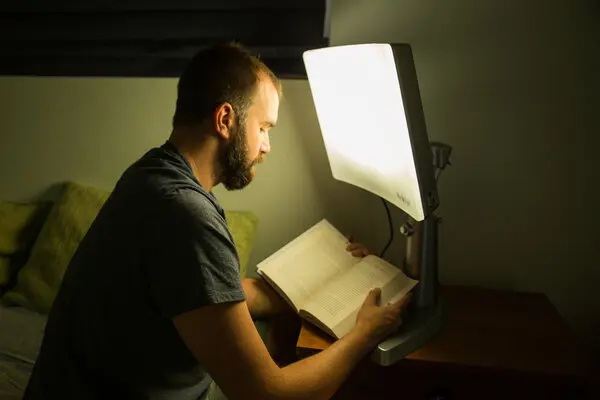
Early Signs of Seasonal Depression Seasonal depression doesn’t always begin as obvious sadness. Sometimes people first notice changes in their energy, sleep, concentration, appetite, or desire to interact with others. Early symptoms may include: Feeling unusually tired or sluggish Having difficulty getting out of bed Sleeping longer than usual Losing motivation Difficulty concentrating or making […]