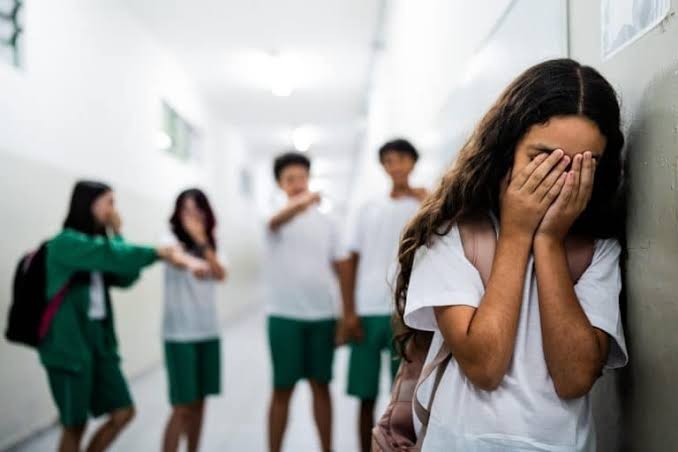
Understanding Bullying: What Every Parent, Kid, and Teen Should Know
Bullying is one of those words that gets used a lot — in schools, in the news, on social media — but its real meaning often gets lost in the shuffle. At Rochester Therapy Center, we work with children, teens, and families who are navigating the emotional aftermath of bullying, and one thing has become clear: understanding what bullying actually is (and what it isn’t) is the first step toward addressing it in a healthy, effective way.
This post breaks down what bullying looks like, the different forms it can take, why it happens, and how kids, teens, and parents can respond in ways that protect emotional wellbeing.
What Is Bullying, Really?
Bullying is not simply a disagreement between friends, a one-time argument, or a moment of teasing that goes both ways. Mental health professionals and researchers generally define bullying as behavior that includes three key elements:
1. Intentional harm. The behavior is meant to hurt, embarrass, control, or intimidate another person — it isn’t accidental or a misunderstanding.
2. Repetition. Bullying typically happens more than once, or has the potential to happen again. A single unkind comment, while hurtful, is different from a pattern of targeted behavior over time.
3. A power imbalance. The person doing the bullying holds some form of power over the other — this could be physical size, social status, popularity, access to information (like embarrassing photos), or even numbers (a group against one individual).
When all three of these elements are present, it’s reasonable to call the behavior bullying. This distinction matters because it helps kids, teens, and parents avoid two common pitfalls: minimizing real bullying as “kids being kids,” or, on the other end, labeling every conflict as bullying, which can dilute the seriousness of the term and make it harder for people to recognize genuine patterns of harm.
It’s also worth noting that bullying can happen anywhere — not just at school. Sports teams, extracurricular activities, neighborhoods, family gatherings, and especially online spaces are all environments where bullying dynamics can take root.
The Different Forms Bullying Can Take
Bullying isn’t one-size-fits-all. It shows up in several distinct forms, and recognizing each type helps kids and adults name what’s happening and respond appropriately.
Physical Bullying
This is often what people picture first — hitting, pushing, tripping, kicking, or damaging someone’s belongings. Physical bullying is the most visible form, which can make it easier to identify, but it’s far from the only kind that causes lasting harm.
Verbal Bullying
Name-calling, insults, threats, mocking, and derogatory comments fall into this category. Verbal bullying can be just as damaging as physical bullying, even though it leaves no visible marks. Repeated verbal attacks on a child’s appearance, intelligence, identity, or family can chip away at self-esteem over time.
Social or Relational Bullying
This type is designed to damage someone’s relationships or social standing. It can look like spreading rumors, deliberately excluding someone from a group, public humiliation, or manipulating friendships to isolate a peer. Social bullying is often subtle and can be harder for adults to notice, but it can be deeply painful for kids and teens, whose social world is a central part of their identity and daily experience.
Cyberbullying
With so much of childhood and adolescence now happening online, cyberbullying has become one of the most common — and most complicated — forms of bullying. It includes harassment through texts, social media, gaming platforms, or group chats: spreading rumors online, sending threatening messages, posting embarrassing photos or videos, or creating fake accounts to humiliate someone.
Cyberbullying carries unique challenges. It can happen 24/7, follow a child home from school, reach a wide audience instantly, and sometimes occur anonymously — all of which can make it feel inescapable for the person experiencing it.
Why Bullying Happens
Understanding why bullying occurs doesn’t excuse the behavior, but it can help parents and professionals respond more effectively — and it can help kids understand that bullying often says more about the person doing it than about the person being targeted.
Some common contributing factors include:
- A need for control or power. Kids and teens who feel powerless in other areas of their life sometimes seek control through bullying others.
- Learned behavior. Children who witness aggressive or controlling behavior at home, or who have been bullied themselves, may repeat those patterns.
- Social status seeking. Especially in adolescence, some kids bully others to boost their own social standing or to fit in with a peer group.
- Difficulty managing emotions. Some children lack the emotional regulation skills to handle frustration, jealousy, or insecurity in healthy ways, and this can come out as aggression toward others.
- Group dynamics. Bullying sometimes happens because of peer pressure — a child might participate not because they want to, but because they’re afraid of becoming the target themselves.
Recognizing these underlying causes is a reminder that both the child being bullied and the child engaging in bullying behavior often benefit from support, structure, and, when needed, professional guidance.
Recognizing the Signs
Kids and teens don’t always tell adults directly when they’re being bullied — sometimes out of embarrassment, fear of retaliation, or worry that adults won’t be able to help. That’s why it’s important for parents, teachers, and caregivers to watch for signs, which can include:
- Reluctance to go to school or participate in activities they used to enjoy
- Unexplained injuries, or damaged/missing belongings
- Changes in eating or sleeping habits
- Declining grades or loss of interest in schoolwork
- Withdrawal from friends and family
- Sudden changes in mood, increased anxiety, or irritability
- Avoidance of phones or social media, or the opposite — secretive or obsessive phone use
- Talking about feeling helpless or making self-deprecating comments
Every child is different, and these signs can also point to other stressors. But a noticeable shift in behavior is always worth a gentle, non-judgmental conversation.
How Kids and Teens Can Respond
While no child should have to manage bullying alone, there are strategies that can help kids and teens feel more empowered in the moment:
- Tell a trusted adult. This is often the hardest step, but it’s the most important one. A parent, teacher, school counselor, or coach can help intervene and create a safety plan.
- Avoid engaging or retaliating. Reacting with anger or aggression can sometimes escalate the situation. Walking away, when safe to do so, can help de-escalate.
- Document what’s happening. For cyberbullying especially, saving screenshots or messages can provide important evidence for parents, schools, or platforms to act on.
- Stay connected to supportive peers. Bullying often thrives on isolation. Staying close to friends who are kind and trustworthy can provide a buffer.
- Practice self-compassion. It’s easy for kids to internalize bullying as a reflection of their own worth. Reminding them that the behavior reflects the person doing it — not their own value — is an important message to reinforce, often and consistently.
How Parents Can Help
Parents play a critical role in both prevention and recovery. Some helpful approaches include:
- Create an open dialogue. Regularly ask about school, friendships, and online interactions in a low-pressure way, so kids feel comfortable coming to you.
- Listen without immediately problem-solving. Sometimes kids need to feel heard before they’re ready for solutions or intervention.
- Partner with the school. Most schools have bullying policies and staff trained to intervene. Document incidents and follow up on the actions taken.
- Model healthy conflict resolution. Kids learn a great deal about handling relationships by watching the adults around them.
- Seek professional support when needed. Ongoing bullying can contribute to anxiety, depression, and lasting impacts on self-esteem. A therapist can help a child process their experience, rebuild confidence, and develop coping strategies.
Final Thoughts
Bullying is a serious issue that affects a child’s emotional, social, and academic wellbeing — but it’s also an issue that families and communities can address effectively with the right awareness and tools. Whether your child is navigating bullying themselves, showing bullying behaviors, or you simply want to build resilience and communication skills as a family, support is available.
At Rochester Therapy Center, we work with kids, teens, and families to build the coping skills, communication tools, and emotional resilience needed to navigate bullying and its effects. If you’re concerned about your child’s experience with bullying — whether they’re on the receiving end, involved in bullying others, or witnessing it happen to peers — reaching out for support is a strong and proactive step toward helping them thrive.
To schedule a consultation with one of our therapists please click on the link below
Do you have an idea for an upcoming blog topic for us? Please share it at: admin@rochestertherapycenter.com