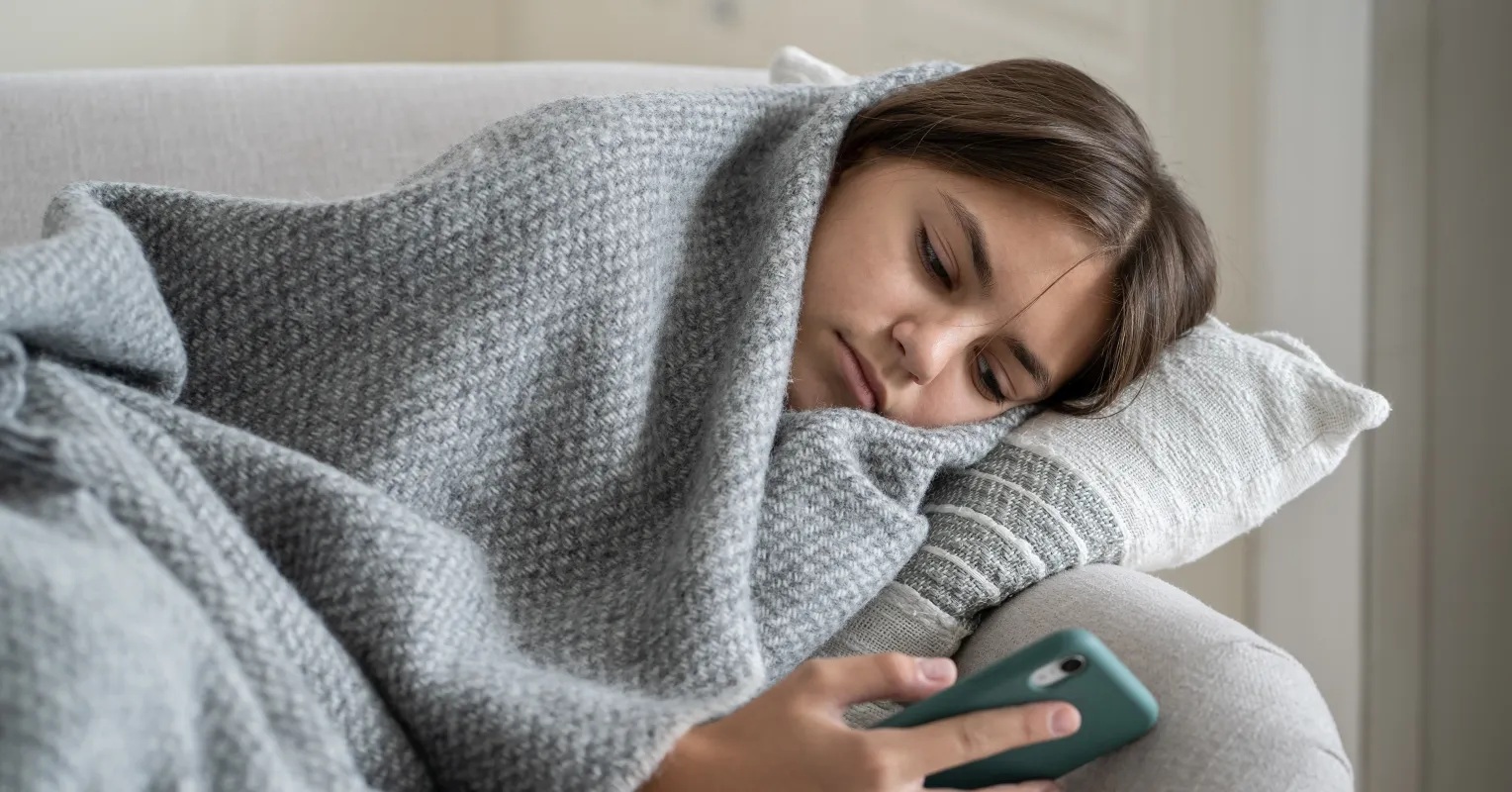
Why Does My Anxiety Get Worse in the Fall?
If you’ve noticed your anxiety creeping up as summer fades into fall, you’re not imagining it, and you’re not alone. Shorter days, disrupted routines, and the return of school and work schedules can all combine to make fall one of the more anxiety-provoking seasons for a lot of people.
Reduced daylight affects the brain’s production of serotonin and melatonin, the same chemicals tied to mood and sleep regulation. As daylight hours shrink, many people experience shifts in energy, sleep quality, and emotional resilience, all of which can make anxiety symptoms feel more intense. Add in the return of packed schedules, the emotional weight of the holidays approaching, and colder weather that limits outdoor activity, and it’s easy to see why fall can feel like an anxiety trigger all its own.
Anxiety doesn’t always show up the way people expect. Sometimes it’s obvious. Often, it isn’t. Below, we’ll look at a few of the most common ways anxiety shows up in the fall, and what you can do about it.
High-Functioning Anxiety: When You Look Fine but Feel Overwhelmed
One of the most misunderstood forms of anxiety is what’s often called high-functioning anxiety. From the outside, someone with high-functioning anxiety looks like they have it together. They show up to work on time. They meet deadlines. They keep commitments, answer messages, and often appear more productive than the people around them.
On the inside, it’s a different story. High-functioning anxiety often involves a near-constant undercurrent of worry, a fear of falling behind or letting people down, and a tendency to overprepare, overthink, and over-apologize. Rest can feel uncomfortable, even guilt-inducing, because slowing down means confronting the anxious thoughts that constant busyness has been keeping at bay.
Common signs of high-functioning anxiety include:
- Difficulty relaxing, even during downtime
- A persistent fear of making mistakes
- Perfectionism or an inability to delegate
- Overthinking conversations or decisions long after they’ve happened
- Physical symptoms like a tight chest, clenched jaw, or upset stomach, despite appearing calm
Fall can intensify high-functioning anxiety because it often brings a return to structure: school schedules, work deadlines, and the ramp-up toward the end of the year. For someone already prone to overachieving as a coping mechanism, this uptick in demands can quietly push anxiety higher, even while their outward performance stays the same or even improves.
The challenge with high-functioning anxiety is that because things look fine, it’s easy for both the person experiencing it and the people around them to overlook that anything is wrong. But looking fine and feeling fine are not the same thing, and appearing capable doesn’t mean the internal experience isn’t exhausting.
Anxiety at Night: Why Racing Thoughts Get Worse When Everything Gets Quiet
Many people who manage to keep anxiety at bay during the day find that it catches up with them at night. This is an extremely common pattern, and there’s a straightforward explanation for it.
During the day, there’s usually enough noise, activity, and distraction to keep anxious thoughts at a low simmer. Work, conversations, errands, and general busyness all compete for mental bandwidth. At night, that competition disappears. The house gets quiet, the to-do list stops growing, and there’s nothing left to distract the mind from whatever it’s been holding onto all day.
This is often when racing thoughts take over: replaying conversations, worrying about tomorrow, cycling through worst-case scenarios, or simply feeling a wave of unexplained unease right as you’re trying to fall asleep. For some people, this shows up as difficulty falling asleep in the first place. For others, it means waking up in the middle of the night with their mind immediately jumping into overdrive.
Fall can make nighttime anxiety worse for a few reasons. Earlier sunsets mean more hours of darkness, which can increase melatonin production and disrupt normal sleep-wake cycles. Longer nights also simply mean more quiet hours for anxious thoughts to fill. And for many people, the fall season carries its own emotional weight, back-to-school stress, shorter days, upcoming holidays, that adds extra material for the mind to chew on once things get quiet.
A few strategies that can help with nighttime anxiety include:
- Creating a wind-down routine that signals to your brain it’s time to shift out of “problem-solving mode”
- Writing down racing thoughts before bed to get them out of your head and onto paper
- Limiting screen time in the hour before sleep, since screens can both overstimulate the mind and disrupt melatonin production
- Practicing grounding techniques, like slow breathing or naming five things you can sense around you, to interrupt spiraling thoughts
If nighttime anxiety is a regular pattern rather than an occasional occurrence, it may be worth exploring with a therapist, especially if it’s affecting your sleep quality or your ability to function the next day.
Panic Attack or Anxiety Attack? How to Tell What You’re Experiencing
These terms are often used interchangeably, but they describe somewhat different experiences, and understanding the difference can help you respond more effectively when symptoms show up.
A panic attack tends to come on suddenly and intensely, often without an obvious trigger. Symptoms peak quickly, usually within about ten minutes, and can include a racing heart, chest tightness, shortness of breath, dizziness, trembling, sweating, and a sense of impending doom or fear of losing control. Because the physical symptoms can be so intense, panic attacks are sometimes mistaken for medical emergencies like heart attacks.
An anxiety attack, while not a formal clinical term, is generally used to describe a more gradual buildup of anxiety symptoms in response to a specific stressor. Anxiety attacks tend to develop more slowly, may last longer, and are often tied to something identifiable, an upcoming deadline, a difficult conversation, or a stressful event. Symptoms can include persistent worry, muscle tension, restlessness, irritability, and difficulty concentrating, and while uncomfortable, they typically don’t reach the same sudden intensity as a panic attack.
Understanding which one you’re experiencing matters because it can shape how you respond. Panic attacks often respond well to grounding techniques and slow, controlled breathing aimed at calming the body’s fight-or-flight response. Anxiety attacks may benefit more from addressing the underlying stressor directly, whether that means problem-solving, setting boundaries, or simply acknowledging and naming the source of the stress.
If you’re regularly experiencing either one, it’s worth talking with a mental health professional. Frequent panic or anxiety attacks are treatable, and a therapist can help you identify triggers and build tools to manage symptoms before they escalate.
The Sunday Scaries: Why Anxiety Hits Before the Workweek Begins
If Sunday evenings tend to bring a wave of dread, you’ve likely experienced what’s commonly known as the Sunday Scaries. This is the anxious, unsettled feeling that shows up as the weekend winds down and the workweek looms ahead.
The Sunday Scaries often involve a mix of dread about returning to work, mental replaying of unfinished tasks, and a general sense of the weekend “running out.” For some people, it’s mild, a passing sense of reluctance. For others, it can be intense enough to disrupt sleep, appetite, or the ability to enjoy the last hours of the weekend at all.
Fall can amplify the Sunday Scaries for a few reasons. Earlier sunsets mean Sunday evenings feel darker and shorter, which can intensify feelings of dread. The return to more structured fall schedules, after a looser summer pace, can also make the shift back into the workweek feel more jarring. And for many people, fall brings a natural uptick in workload as projects ramp up before the end of the year.
A few ways to ease the Sunday Scaries include:
- Doing a small amount of light prep on Sunday, like laying out clothes or reviewing Monday’s schedule, to reduce uncertainty
- Building in something enjoyable for Sunday evening, rather than treating it purely as a transition period
- Practicing self-compassion around the fact that some dread about returning to responsibilities is normal, not a sign that something is wrong with you
- Identifying whether the dread is pointing to something specific, like an unmanageable workload or a difficult work relationship, that may need to be addressed directly
Occasional Sunday dread is common and doesn’t necessarily indicate a bigger issue. But if it’s happening every week and significantly affecting your quality of life, it may be worth exploring with a therapist, particularly if it points to deeper concerns about work-life balance, job satisfaction, or unmanaged anxiety.
Finding Support This Fall
Anxiety can show up in a lot of different forms, quiet and hidden, loud and physical, tied to nighttime, tied to Sundays, or present all the time in ways that are easy to mask. If any of this feels familiar, know that these patterns are common and treatable.
At Rochester Therapy Center, our therapists can help you understand what’s driving your anxiety and build practical strategies to manage it, no matter what season it is. Reach out today to schedule an appointment and start feeling more like yourself again.
To schedule a consultation with one of our therapists click on the link from our website! https://rochestertherapycenter.com/schedule/